Why You Can Not Put Asbestos in Your Regular Bin
You can't place asbestos in your typical bin since it's a harmful product with major wellness and ecological risks. Throwing away it in basic waste containers is illegal, because home collections and garbage dumps aren't equipped to contain its harmful fibers. Asbestos needs to be dealt with and moved by accredited specialists to authorized facilities, following rigorous lawful standards. Neglecting these regulations dangers serious charges and public injury. Locate out how to safeguard yourself and take care of asbestos securely with trusted, certified practices.
Takeaways
- Asbestos is a hazardous product that can trigger serious wellness concerns if its fibers are launched.
- Common house bins and landfill websites are not created to safely have asbestos waste.
- Getting rid of asbestos in routine containers is prohibited and can lead to legal fines.
- Asbestos has to be managed, delivered, and disposed of by qualified experts at accepted facilities.
- Improper disposal risks infecting air, dirt, and water, endangering public health and wellness and the environment.
What Is Asbestos and Why Is It Hazardous?
When you come throughout asbestos, you're taking care of a group of normally occurring minerals as soon as extensively made use of in building and construction for their warmth resistance and stamina. Asbestos history spans decades, with comprehensive use peaking in the mid-20th century prior to its carcinogen were completely understood. The mining influences of asbestos removal were substantial— both environmentally and for employee safety— releasing penalty fibers right into the air, dirt, and water. If you inhale these fibers, they can lodge in your lungs, creating illness like asbestosis, lung cancer, and mesothelioma. Regulative bodies worldwide now recognize these threats, mandating strict controls on dealing with and disposal. Recognizing asbestos history and mining effects aids you value the seriousness of direct exposure and emphasizes why adhering to legal demands is vital for your safety and conformity. https://mertonasbestosremoval.co.uk/services/soft-strip-demolition.html
Why Can't You Placed Asbestos in the Container?
Tossing asbestos in your routine bin isn't simply dangerous— it's unlawful under many policies. Asbestos fibers can quickly end up being air-borne if interrupted, presenting serious wellness dangers not just to you, however likewise to throw away handlers and the more comprehensive neighborhood. You may assume it's harmless if double-bagged, but that is just one of the usual asbestos myths. Conventional household containers and land fill sites aren't developed to consist of or deal with contaminated materials like asbestos. Laws call for special handling and disposal to prevent contamination and exposure. That's why there are rigorous guidelines regarding making use of bin choices— specialist asbestos disposal solutions and accredited waste centers. Disregarding these needs isn't just risky; it can also lead to legal charges. Always adhere to correct treatments to keep everyone risk-free and compliant.
What Happens If You Get Rid Of Asbestos Incorrectly?
If you take care of asbestos inaccurately, you're not just damaging the law— you're endangering public wellness. Asbestos myths usually lead people to ignore the dangers, but inappropriate disposal exposes others to unsafe fibers. Regional authorities treat this as a severe infraction, imposing fines and lawsuit. You may additionally be accountable for raised disposal expenses if remediation is needed.
Danger
Repercussion
Carcinogen
Exposure to air-borne fibers
Lawful Charge
Fines or prosecution
Ecological Impact
Contamination of land/water
Enhanced Expenses
Extra cleanup/remediation charges
Don't assume tiny quantities are secure— guidelines use no matter quantity. Overlooking the proper networks doesn't just conserve expenses; it increases your dangers. Constantly adhere to main standards to avoid extreme repercussions, and do not drop for asbestos misconceptions that minimize its threats.
Just How Does Asbestos Damage People and the Atmosphere?
When asbestos is disrupted, you take the chance of launching microscopic fibers into the air, which can trigger severe respiratory conditions if breathed in. Improper handling or disposal doesn't simply intimidate human health— it can likewise pollute soil and water, causing broader environmental dangers. It's vital to adhere to all regulative standards to decrease these threats.
Airborne Fibers Reason Disease
Breathing in air-borne asbestos fibers exposes you to substantial health risks, as these microscopic fragments can end up being lodged in lung cells and stay there for years. When you interrupt asbestos-containing materials, you boost the danger of fiber breathing, which is directly linked to illness like asbestosis, lung cancer cells, and mesothelioma. Regulative bodies call for strict air-borne surveillance in workplaces and throughout asbestos elimination projects because also very little direct exposure can be unsafe. You can't count on visual evaluation alone— air-borne fibers are undetectable and continue the air without proper control. Shielding yourself and others means strictly adhering to regulatory standards, making use of approved personal safety equipment, and making certain all elimination or handling is taken care of by certified professionals. Prioritizing security reduces your possibility of establishing asbestos-related conditions.
Environmental Contamination Risks
Although asbestos is most infamous for its wellness risks, its ecological effect presents serious risks too. When you take care of asbestos improperly, fibers can seep into the dirt, leading to soil contamination. https://mertonasbestosremoval.co.uk/services/garage-shed-roof-removal.html This contamination isn't simply a neighborhood concern— it can persist for years, affecting whole ecosystems. Plants can soak up asbestos fibers, introducing toxic substances into the food web and impacting wildlife exposure. https://mertonasbestosremoval.co.uk/services/artex-removal.html Pets that ingest or inhale infected products may struggle with respiratory system or digestion issues, similar to people. Regulatory bodies strictly control asbestos disposal because also low-level environmental contamination can end up being a significant risk with time. By recognizing these threats, you'll see why asbestos must never ever go in your normal container— proper taking care of protects not just people, but the setting too.
What Are the Lawful Policies for Asbestos Disposal?
Because asbestos is a dangerous product purely regulated by government and state firms, you'll need to adhere to certain legal requirements for its disposal. Asbestos legislation requireds that only licensed specialists can deal with and carry asbestos waste. You can not simply position it in your normal container or mix it with home rubbish. Instead, asbestos needs to be double-bagged in accepted containers, plainly labeled, and required to a accredited disposal center. Falling short to follow these regulations can cause serious disposal fines, consisting of significant fines or even criminal costs. Regulatory firms may also require in-depth documentation to track the asbestos from removal to its last disposal site. Overlooking proper treatments isn't just unlawful— it exposes you and others to serious health and wellness and ecological risks.
Exactly How to Find Asbestos in Your Home
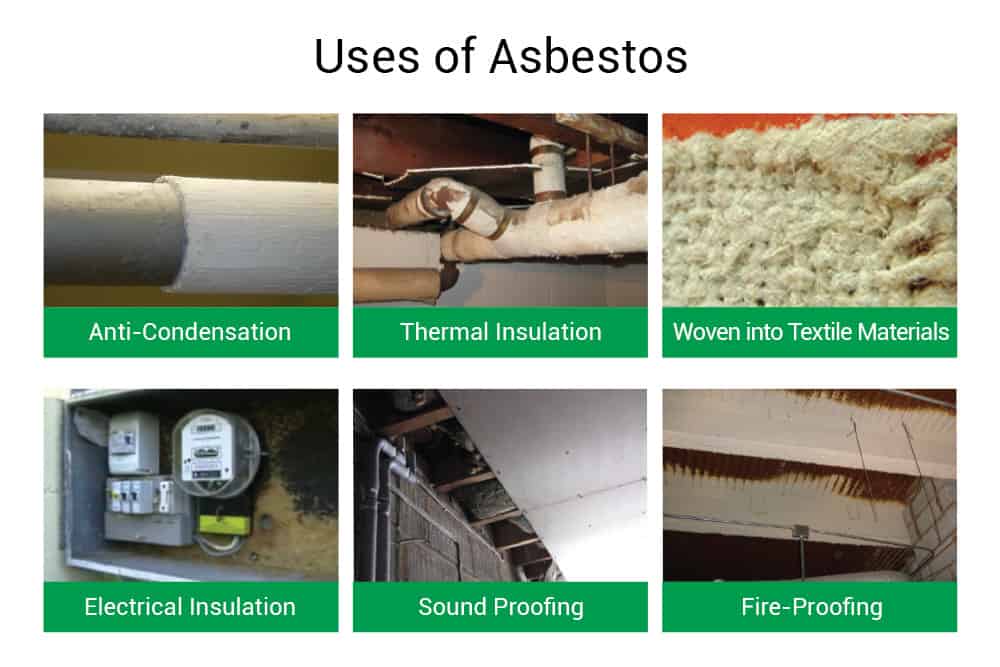
When you establish out to identify asbestos in your house, concentrate on materials typically installed before the 1980s, such as insulation, floor ceramic tiles, distinctive paints, and cement items. Pay attention to old insulation around pipes, boilers, or attics, as these commonly consisted of asbestos fibers. Distinctive ceilings— in some cases called “popcorn ceilings”— may additionally include asbestos, specifically if they were used before governing bans.
Don't rely exclusively on aesthetic examination; asbestos can not be verified without laboratory analysis. However, if you notice breakable, fibrous products, or degenerating distinctive ceilings, exercise care. Laws need you to stay clear of troubling any kind of presumed asbestos, due to the fact that fibers launched into the air develop health threats. Keep in mind, regulative agencies mandate stringent handling, labeling, and disposal methods for asbestos-containing materials to secure you and others from direct exposure.
What to Do If You Locate Asbestos in the house
If you suspect you have actually found asbestos in your home, it is very important to correctly determine any type of materials that could contain it prior to taking more action. You shouldn't interrupt the location, as incorrect handling enhances health and wellness risks and might break local policies. commercial asbestos removal Let's assess exactly how to recognize possible asbestos products and overview risk-free handling treatments in compliance with legal requirements.
Recognizing Prospective Asbestos Materials
Although asbestos is no much longer widely made use of, numerous older homes still contain products that might harbor this unsafe material. You'll typically find asbestos in insulation, flooring tiles, ceiling panels, roof, and pipe lagging, specifically in residential properties developed before the late 1980s. Recognizing potential asbestos materials calls for alertness, as concealed hazards may not be visually obvious. Do not rely upon look alone-– many non-asbestos products can look similar, leading to false positives. Regulatory support states you should not disturb or example suspect materials yourself; only licensed experts can confirm asbestos visibility via research laboratory evaluation. If you presume a product consists of asbestos, avoid touching or destructive it. Document its place and look, and seek skilled guidance. Correct recognition is a vital action in lessening wellness and legal threats.

Safe Handling Procedures
Even after suspecting asbestos in your home, it's crucial not to interrupt the material whatsoever, as airborne fibers pose serious wellness risks. If you run into feasible asbestos, don't try elimination or cleaning yourself. Lessen foot traffic and isolate the location— maintain children and family pets away. Always stay clear of sweeping, vacuuming, or damaging asbestos-containing materials, as these actions launch unsafe fibers.
Prior to any type of handling or evaluation, you must use proper personal protective devices, such as a P2 respirator, disposable coveralls, and handwear covers. Regulatory guidelines need strict control treatments: seal off the area with plastic sheeting and tape, and make specific air flow systems are off to stop fiber spread. pre demolition asbestos survey Contact a licensed asbestos elimination expert right away for evaluation. Adherence to these actions is vital for your security.
How to Deal With Asbestos Safely
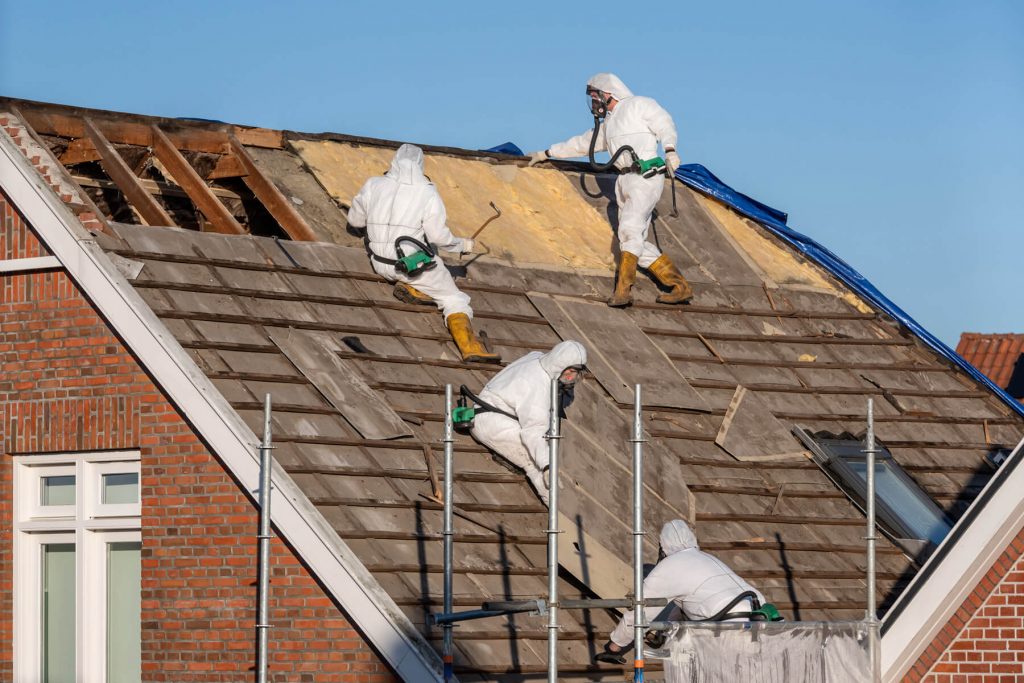
When dealing with asbestos, you have to comply with stringent safety protocols to decrease health and wellness dangers and abide by policies. Do not rely on typical asbestos myths— simply using a dirt mask or wetting materials isn't enough. Always wear licensed respiratory system security, non reusable coveralls, and handwear covers. Restriction disruption to stop fibers from ending up being airborne. Seal the workplace and use plastic sheet to contain dust. Never ever utilize power tools or vacuum cleaner cleansers, as they can spread out harmful fibers. Double-bag asbestos waste in authorized, labeled containers, avoiding overfilling. Understand that inappropriate handling enhances both health and wellness risks and disposal prices because of regulative penalties. Constantly tidy up with a damp fabric, moist sweeping. Complying with these standards shields you, others, and the environment from unneeded exposure.
Where Can You Get Rid Of Asbestos Legitimately?
Under federal and state laws, asbestos waste should be required to an authorized hazardous waste center or a garbage dump particularly allowed to approve asbestos-containing materials. You can't use typical waste bins or neighborhood dumps, as these aren't equipped to take care of the associated health dangers. To abide by the law, make certain all asbestos is firmly double-bagged and labeled prior to transportation. A lot of regions need you to make use of an asbestos collection service, which will certainly move the waste directly to a certified center. Constantly validate that the getting site is approved for asbestos disposal; making use of an unlicensed area can result in severe legal and ecological repercussions. Appropriate paperwork is crucial, so maintain all receipts and documents from the licensed facility to demonstrate compliance with regulative demands.
That Should You Call for Asbestos Removal?
If you're taking care of asbestos-containing materials, reach out to a qualified asbestos abatement service provider instead of trying elimination yourself. These specialists follow rigorous regulatory guidelines, ensuring both your security and compliance with neighborhood laws. Attempting to remove asbestos without correct training and tools reveals you to significant wellness threats and lawful fines.
When seeking help, you need to:
- Call licensed contractors: Just accredited specialists have the expertise and consent to securely take care of asbestos.
- Consult your local council: Regional councils typically offer checklists of authorized service providers and suggestions on secure disposal methods.
- Confirm credentials: Constantly examine that contractors hold existing licenses and insurance policy, meeting your area's safety guidelines.
Do not run the risk of inappropriate handling— always entail experts and authorities to manage asbestos dangers properly.
Regularly Asked Inquiries
Can Asbestos Be Recycled or Reused in Any Kind Of Means?
You can not recycle or recycle asbestos in the traditional feeling, yet there are customized techniques like asbestos reclamation and fiber stablizing. These processes transform asbestos fibers right into much less unsafe materials, generally under strict regulative oversight. Because of the extreme wellness threats, you shouldn't try any kind of improvement or stabilization yourself. Just certified facilities, adhering to government policies, can handle asbestos safely. Always get in touch with regional authorities before taking into consideration any type of asbestos recovery or disposal choice.
Are There Any Alternatives to Asbestos for Insulation?
Yes, you've got numerous choices to asbestos for insulation that fulfill regulative requirements and lower health dangers. Products like fiber cement and mineral wool are generally utilized substitutes. Fiber concrete's non-combustible and resilient, while mineral wool provides exceptional fire resistance and thermal efficiency. When choosing insulation, you'll intend to adhere to regional building regulations and ensure appropriate managing to lessen direct exposure to dirt and fibers, securing both passengers and employees.
Just How Was Asbestos Initially Found and Utilized?
You might be surprised to discover that asbestos origins day back over 4,500 years; old usages included weaving asbestos fibers into fire resistant cloth. Due to the fact that of its remarkable warmth resistance, old Greeks and Romans utilized it in light wicks and interment shadows. Nonetheless, you ought to know that also early, there were reports of lung problems among employees, highlighting the requirement for modern-day regulatory oversight and strict danger administration practices when taking care of asbestos today.
What Industries Still Legally Make Use Of Asbestos Today?
You'll locate that asbestos is still lawfully utilized today in some highly controlled industries. For instance, commercial brakes and clutch parts may contain asbestos, capitalizing on its warm resistance. It's also present in certain chemical filters where alternatives aren't practical. Laws strictly control its use, managing, and disposal as a result of health threats. If you function in these markets, you must follow stringent safety and security and reporting methods to decrease exposure and environmental impact.
Can Animals Be Influenced by Asbestos Exposure in the Home?
Yes, animals can definitely be affected by asbestos exposure in the home. If your animal breathes in or consumes asbestos fibers, they take the chance of establishing major health issues comparable to humans. Recognize pet direct exposure risks, particularly throughout remodellings. Animal signs and symptoms may include coughing, struggled breathing, or sleepiness. Regulative standards advise prompt vet focus and professional asbestos removal if contamination is believed to decrease danger and assurance both human and animal safety and security within the house.